What Makes a Casual Dining Restaurant Worth Returning To?
- Andrew Bernard
- Aug 10
- 5 min read

Some places are fine for one meal. Others become part of the rhythm of a town.
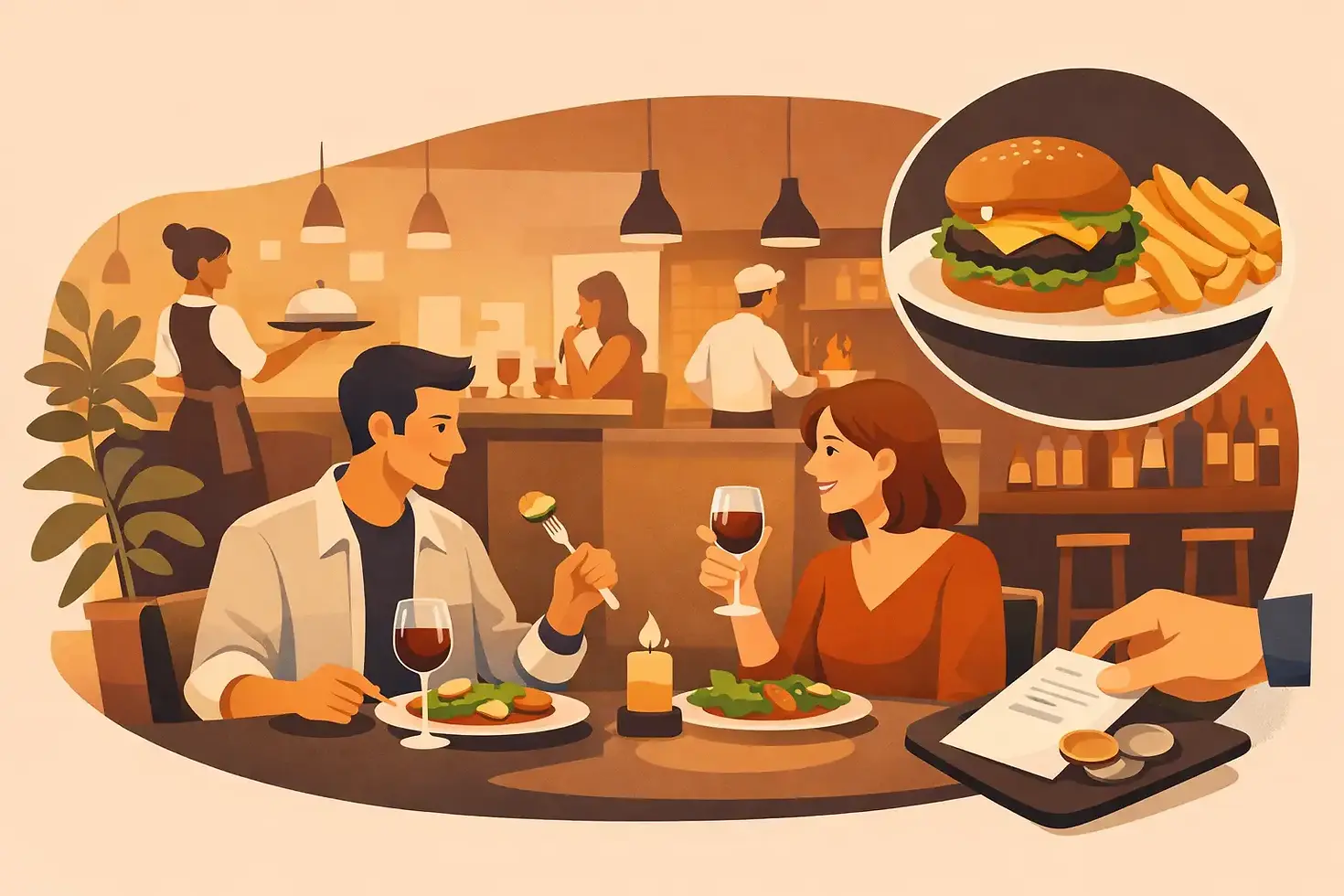
A casual dining restaurant earns that place by doing more than putting a plate on the table. It gives people a comfortable answer to a familiar question: Where should we go tonight? The best answer is somewhere with food everyone can agree on, drinks worth lingering over, service that feels genuine, and a room where neighbors can catch up without any fuss.
That kind of place matters in a community like Sanborn. It is where a couple can have a relaxed dinner, friends can meet after work, families can celebrate a birthday, and a visitor can get a real feel for the area. It does not need to be fancy to be memorable. It needs to be dependable, welcoming, and proud of where it stands.
A Casual Dining Restaurant Should Feel Comfortable
Comfort is not the same as cutting corners. A good casual dining restaurant pays attention to the details that let guests settle in: a menu with familiar choices and enough variety, a clean and lively dining room, friendly faces behind the bar, and a pace that fits the occasion.
On a Tuesday night, someone may want a quick meal before heading home. On a Friday, the same person may want to stay for another round and catch up with friends. The room has to work for both. That is the balance casual dining gets right when it is done well.
The food should be approachable without being forgettable. Guests should recognize the dishes, know there is something for different appetites, and still find a reason to come back and try something new. A strong burger, a well-made sandwich, a satisfying entrée, or a shareable appetizer can all carry a lot of weight when they are prepared with care and served consistently.
Consistency is the quiet promise behind a neighborhood favorite. People return because they trust that the meal, the welcome, and the overall experience will be good again. Specials add excitement, but the everyday menu has to hold its own.
It Is About More Than the Meal
A restaurant and bar has a different role than a place built only for lunch or dinner. It can be a meeting point. It can be the stop after a game, the place for a weekday date night, or the table reserved when relatives are in town.
That is why the beverage side matters. A cold beer on tap, a drink made right, and a selection that gives people options all help set the tone. For some guests, dinner comes first. For others, the bar is where the evening begins. Neither experience should feel like an afterthought.
There is also value in having a place that can shift with the calendar. Fish fries, seasonal dishes, game-day gatherings, holiday parties, and local celebrations give people a reason to make plans. Promotions work best when they feel like an invitation, not a gimmick. They should make a regular night feel a little more special.
At Marlboro Kitchen & Bar, that sense of occasion is tied to a building and a name with roots in the community going back to 1912. A historic setting does not replace good hospitality, but it gives every gathering a little more meaning. The goal is not to live in the past. It is to keep a local tradition active around good food, drinks, and conversation.
The Best Service Is Friendly, Not Formal
People often remember how a place made them feel long after they forget what they ordered.
In casual dining, great service is attentive without hovering. It means being greeted quickly, getting an honest answer when asking about a menu item, and never feeling rushed out the door because another table is waiting. It means noticing when a glass is empty, checking in at the right moment, and treating a regular and a first-time guest with the same respect.
There is a difference between polished service and stiff service. Guests do not need a script. They want someone who knows the menu, keeps things moving, and is glad they came in. That is especially true in a neighborhood restaurant, where a familiar face can turn an ordinary dinner into a tradition.
Of course, hospitality is not only what happens at the table. Clear hours, easy ordering, accurate takeout timing, and straightforward answers about group events matter just as much. Convenience is part of being welcoming. A busy parent ordering dinner to go and a group planning a banquet both deserve an experience that feels simple from the start.
Why Local Character Makes the Difference
Chains can offer predictability. There is nothing wrong with knowing exactly what to expect when traveling or when time is short. But a locally rooted restaurant offers something harder to copy: a real connection to the people who walk through the door.
Local character shows up in small ways. It may be the bartender who knows the regulars, the special that people look forward to each week, the beer selection that starts a conversation, or the way the staff makes room for a last-minute family gathering. It is also reflected in the support that runs both ways. When local people choose a local restaurant, they are helping sustain jobs, celebrations, and a gathering place that belongs to the community.
That does not mean every local restaurant has to look old-fashioned or avoid modern convenience. Online ordering, gift cards, social updates, and flexible event options make it easier for people to connect with a place on their own terms. The best approach combines those practical tools with the warmth that cannot be automated.
A Good Table Has Room for Real Life
Not every visit is a celebration, and that is exactly the point. A casual dining restaurant should have room for the everyday moments too.
It should work for a quiet meal after a long shift, a parent taking the family out because nobody wants to cook, or friends deciding to meet somewhere that feels easy for everyone. It should also be ready when life gets bigger: an anniversary, a retirement party, a shower, a reunion, or a team gathering.
Group events need a little more than extra chairs. They need clear planning, enough space, food that travels well from kitchen to table, and staff who understand that the host is trying to enjoy the occasion too. Banquet offerings can turn a familiar neighborhood spot into a dependable place to celebrate without sending everyone far from home.
There are trade-offs, naturally. A busy room can mean more energy but less quiet. A broad menu can please more guests but requires a kitchen to protect quality across every dish. A popular special can fill the house, but it still has to be served with the same care as a slow afternoon meal. The restaurants that last do not pretend those tensions are easy. They handle them thoughtfully.
What Keeps People Coming Back
Guests return when the experience feels worthwhile from beginning to end. Price matters, but value is bigger than the number on the check. Value is leaving full, welcomed, and glad you chose that table.
It is the confidence that you can bring different people together and find something that works. It is knowing the drinks will be cold, the kitchen will deliver, and the atmosphere will feel familiar without ever feeling tired. It is having a place to suggest when someone asks where the group should meet.
The next time dinner plans come up, choose the place that gives you more than a meal. Choose the one where the room feels lived in, the hospitality feels honest, and there is always a reason to pull up a chair.


Comments