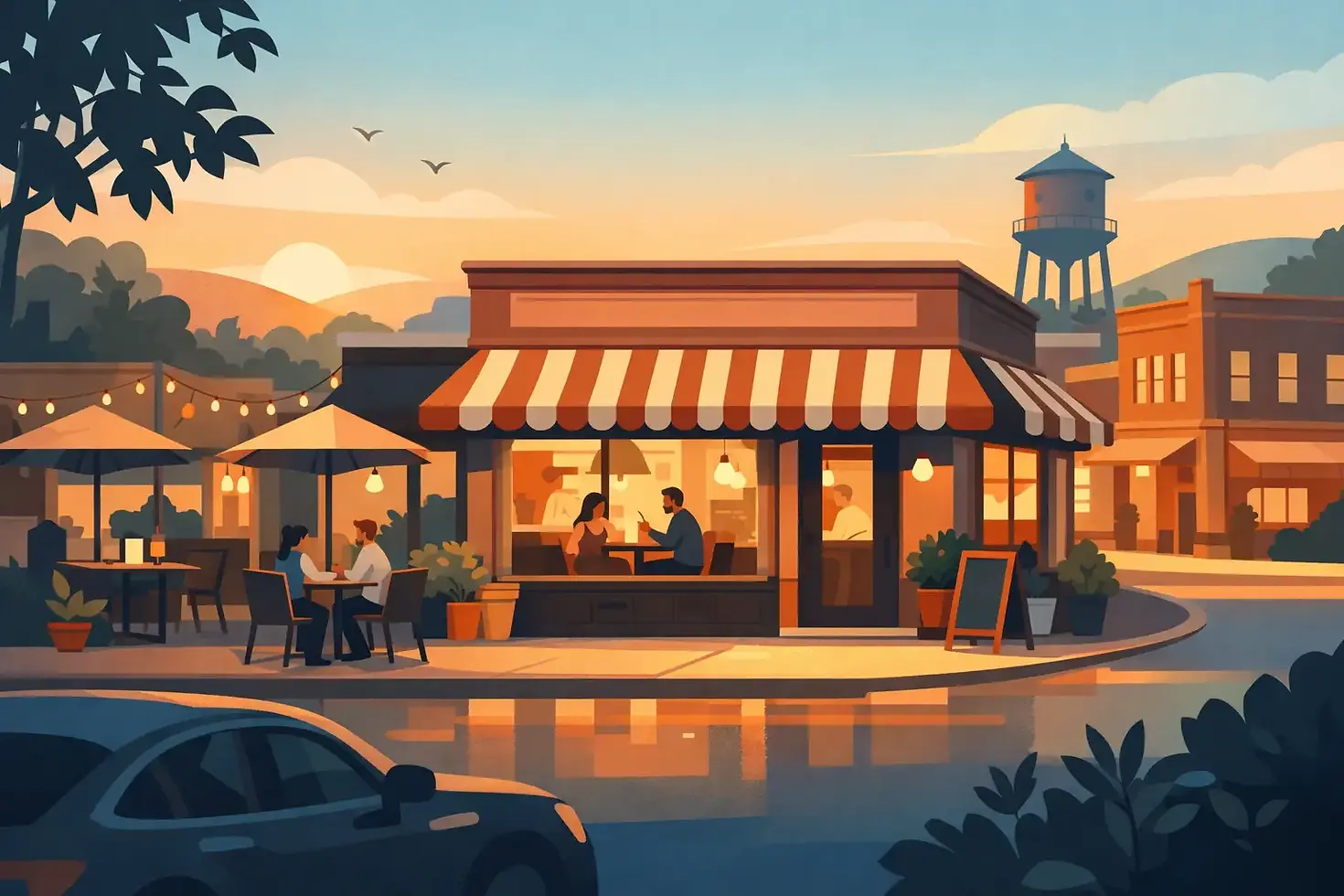
A Revived Local Restaurant Story in Sanborn

For a town, a restaurant can be more than a place to grab dinner. It can be where birthdays begin, where coworkers meet after a long shift, where neighbors catch up, and where a familiar building keeps its place in the story of the community. That is what makes a revived local restaurant story matter in Sanborn. It is not simply about reopening a dining room. It is about giving a historic gathering place a new chapter.
The property that now welcomes guests as Marlboro Kitchen & Bar has been part of the community since 1912. Its roots reach back to the railroad era, when local businesses were often tied closely to the people moving through town, working nearby, and building their lives here. More than a century later, that history still carries weight.
A Building With More Than One Memory
Historic buildings have a way of holding onto the everyday moments that do not make headlines. A regular's favorite seat. A family meal after a game. A toast shared with friends. A familiar sign on the way home. Those memories are part of what makes a local restaurant feel different from a place that could be anywhere.
Reviving a historic restaurant property comes with a responsibility. Guests want the comfort and character that made the location meaningful, but they also expect the convenience, service, and choices that fit the way they gather now. The goal is not to freeze a building in time. It is to respect what came before while making room for the people who will walk through the door next.
That balance is especially meaningful in a community like Sanborn. Local establishments help give a town its rhythm. They provide a dependable meeting point on a Friday night, an easy dinner option during a busy week, and a place to bring visitors when you want to show them something that feels genuinely local.
The Revived Local Restaurant Story Is About People
A reopening may start with a building, a kitchen, and a menu, but it only becomes a true local comeback when people make it part of their routine. That happens one visit at a time.
For some guests, that might mean sitting down for a casual meal with family. For others, it is meeting friends for a drink, checking out what is on tap, or picking up dinner to take home. The best neighborhood restaurant-bars make space for all of those moments without making any of them feel like an afterthought.
There is value in that kind of flexibility. Not every night calls for the same experience. Sometimes a group wants to settle in and stay awhile. Sometimes dinner needs to be quick and easy. Sometimes the occasion is larger than a regular table and calls for a banquet space where everyone can be together. A local place that can meet those different needs becomes more useful to the community and more likely to become a tradition.
That is also why the details matter. A welcoming room matters. A friendly greeting matters. A menu with approachable choices matters. So do cold beers, specials worth coming back for, and the simple relief of knowing there is a nearby place where the evening can come together without much planning.
Honoring History Without Pretending Nothing Changed
There is a temptation to treat history as decoration: hang a few old photos, mention the year a building opened, and call it heritage. But a meaningful revival goes further. It recognizes that history is not only about age. It is about continuity.
The 2024 relaunch of this Sanborn landmark is a continuation, not a copy of the past. The community has changed, and how people use restaurants has changed with it. Guests may want to order ahead. They may be looking for a gift card for someone nearby. They may be planning a shower, a retirement party, a reunion, or another gathering that deserves a comfortable setting. A restaurant has to serve those real needs if it wants to remain part of local life.
There are trade-offs in any revival. Preserve too much without updating the experience, and a place can feel stuck. Change too much, and it can lose the personality that made people care in the first place. The right path depends on the building, the town, and the people it serves. For a neighborhood restaurant, the best answer is usually practical: keep the welcome familiar, improve what helps guests, and let the food and hospitality do the talking.
A Table for Regular Nights and Big Occasions
Community restaurants earn their place by being there for the ordinary as much as the special. A big celebration is memorable, but so is a reliable Tuesday dinner when no one wants to cook. A restaurant that understands both can become part of how people live, not just where they go when there is an event on the calendar.
That is why a full restaurant-and-bar experience matters. Casual dining gives families, couples, and friend groups an easy reason to come in. Beverage options create a relaxed place to meet after work or on the weekend. Specials bring variety and give regulars something new to look forward to. Takeout keeps the kitchen connected to guests who need a good meal at home.
Banquet offerings add another layer. When a local venue can host a group, it saves people from having to leave the area to celebrate. It keeps the occasion close to home, where guests know the roads, recognize faces, and feel at ease. That convenience may sound simple, but it has real value when planning a gathering.
A custom local beer, such as Hazy Owl IPA, carries the same spirit. It is not just another item on a tap list. It gives guests something connected to the place they are visiting, a small reminder that this is a restaurant with its own identity and not a copy of a chain down the road.
Why Local Support Has a Lasting Effect
When people choose a locally rooted restaurant, they are choosing more than a meal. They are helping keep a gathering place active. They are making it possible for a historic property to keep serving the town rather than becoming another empty building with a story people tell in the past tense.
That support does not have to be grand. It can look like bringing out-of-town friends in for dinner, buying a gift card for a neighbor, booking a family event locally, or making a habit of meeting up for a drink after work. These small choices build the steady traffic that helps a neighborhood business plan, hire, improve, and stay open for the moments that matter.
Of course, local loyalty has to be earned. History may bring people through the door once, but good hospitality is what brings them back. Guests deserve a meal they enjoy, service that feels attentive without being stiff, and an atmosphere where they can relax. A historic name means the most when it is backed by a present-day experience worth sharing.
The Next Chapter Starts With a Visit
A revived restaurant does not belong only to the people who reopened it. In time, it belongs to the guests who fill the tables, raise a glass, place a takeout order, and choose it for the celebrations they will remember years from now.
Sanborn's story has room for a place that honors where it has been while staying ready for what tonight brings. Stop in for dinner, meet someone at the bar, plan a gathering, or bring home a meal when the day gets away from you. The most meaningful local traditions are not preserved behind glass. They stay alive because people keep showing up.


Comments